What is a PCB?
A printed circuit board (PCB) is the backbone of virtually all modern electronic systems and devices. Printed circuit boards provide the foundation that enables complex circuitry to function properly and meet the demands of various critical industries.
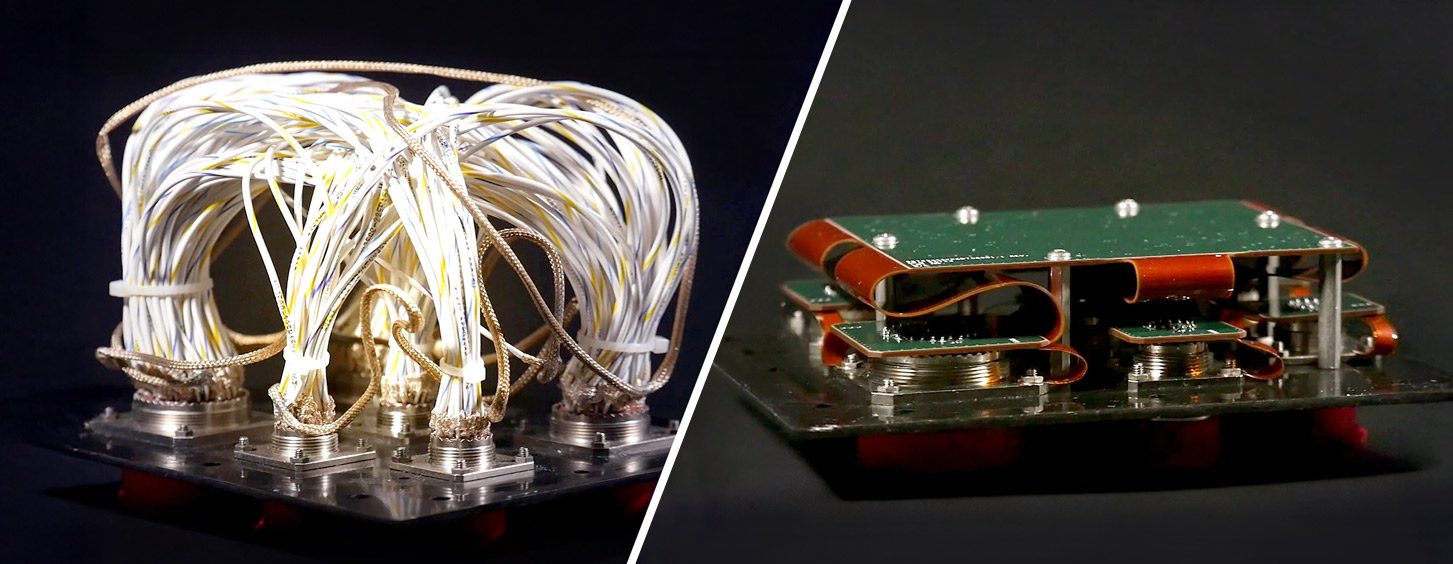
A printed circuit board is typically a flat and rigid base that supports and connects electronic components using conductive pathways etched from copper. These copper pathways allow the replacement of traditional wiring which is more susceptible to breakage, requires additional space, and is heavier.
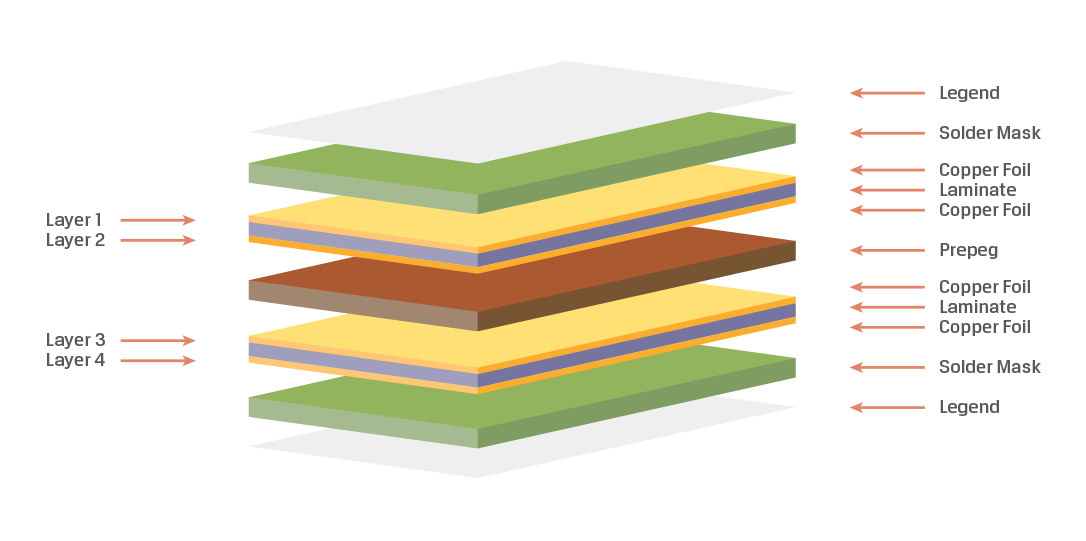
What are the Key Layers of a Standard Printed Circuit Board (PCB)
- Legend: This is the top layer that displays printed information such as component labels, part numbers, and symbols. This layer helps aid in assembly through visual reference points as well as with troubleshooting.
- Solder mask: This is a protective coating, typically green in color, that’s applied on top of the copper pathways to insulate and protect the copper traces from oxidation and short circuits. This ensures that solder only adheres to the intended areas.
- Copper layer: A thin layer of one or more copper foils are laminated onto the substrate and etched to create conductive traces. These electrical pathways connect different components and facilitate electrical signal transmissions.
- Prepreg: A woven glass cloth material pre-impregnated with resin, prepreg is used as the bonding layer between cores and copper foils in multilayer PCBs.
- Laminate: This is the base material and core of a PCB that is typically made from polyimide. This layer provides structural support and stability to ensure the board can withstand any temperature-induced or mechanical stress while still maintaining reliable functionality.
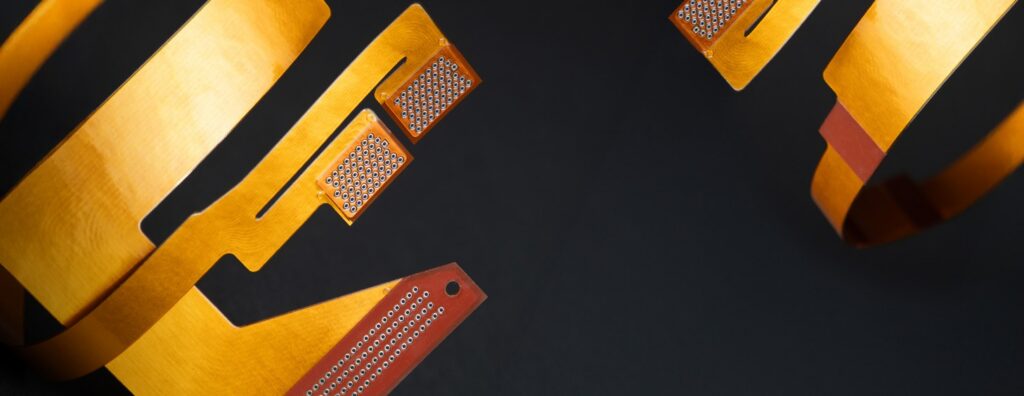
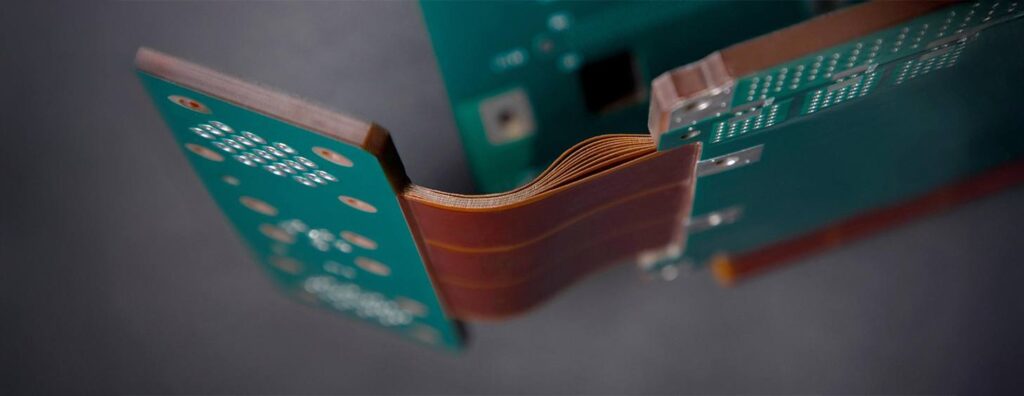
In addition to standard rigid printed circuit boards, flexible PCBs are constructed from polyimide substrates that allow flexibility and bending while still maintaining electrical functionality. Flexible printed circuit boards allow circuitry to meet physical and spatial demands that certain devices may require.
The layers of a PCB work together to create a reliable and functional board that can host various electronic components, forming the foundation for modern electronic systems.
What to Expect when Working with Pioneer Circuits
There are numerous benefits from working with Pioneer Circuits. We partner/work with industries including aviation, defense, and space exploration where reliability and consistent functionality even in intense temperatures and environments are critical. Our vertically integrated system and in-house design to assembly process ensures every board meets industry quality standards. Furthermore, our concurrent engineering service ensures minimized errors, reduced costs, and accelerated time to market. Begin your next project with confidence- partner with Pioneer Circuits and experience a new level of collaboration, quality, and reliability.