Why are Printed Circuit Boards (PCBs) Used?
Understanding the fundamentals of Printed Circuit Boards (PCBs) is crucial for anyone interested in electronics, as they play a vital role in the functionality of modern devices. From single-sided boards to complex multilayer designs, PCBs have evolved to meet the growing demands of critical industries, enabling the development of innovative electronic products.
Main Types of Printed Circuit Boards (PCBs)
Single-sided Printed Circuit Boards (PCBs)
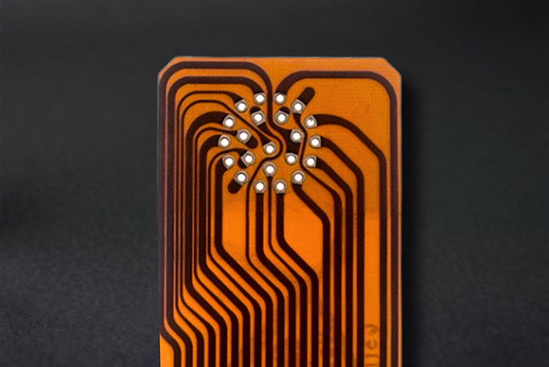
Feature a single copper layer with components and conductive paths on one side. Single-sided PCBs are mainly utilized in simple and low-cost electronic products, including devices such as calculators, radios, and printers.
Double-sided Printed Circuit Boards (PCBs)
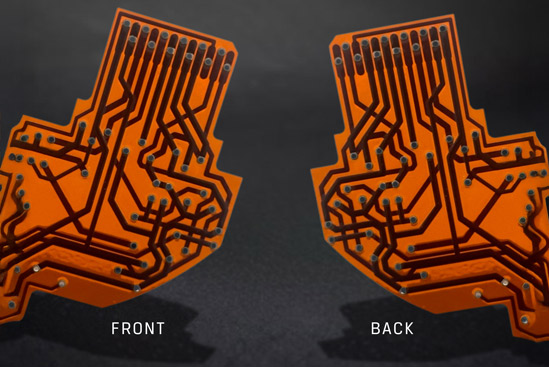
Include copper layers on both sides of the board, which are connected by plated through holes. This design allows for more complex circuits and increased component density that is utilized in more advanced electronics like automative components, mobile phones, and industrial equipment.
Multilayer Printed Circuit Boards
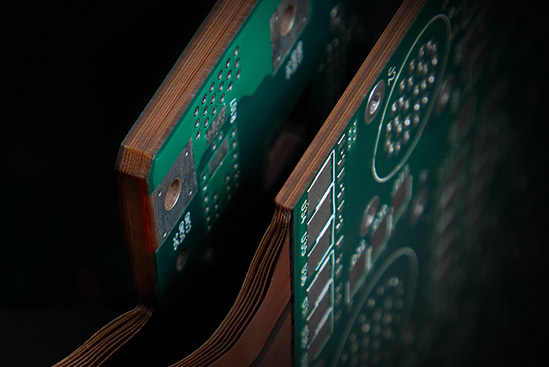
Consist of multiple substrate and copper layers that enables highly complex and compact designs. Multilayer PCBs are commonly used in advanced electronics like computers and telecommunication devices.
Rigid Printed Circuit Boards
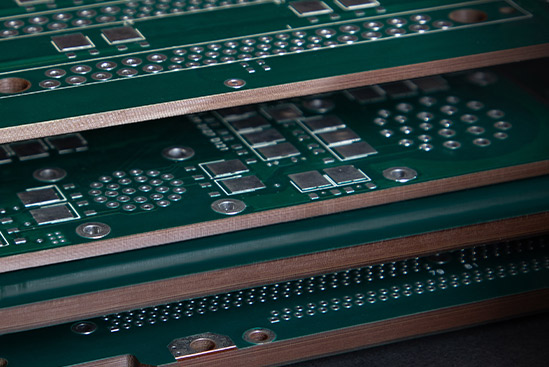
Contain a rigid base layer with a non-conductive solid substrate, such as fiberglass, that gives the board strength and rigidity. Rigid PCBs offer various mounting options, including surface mount technology (SMT) and through-hole technology (THT), depending on the component type, assembly process, and desired mechanical strength.
Flexible Printed Circuit Boards
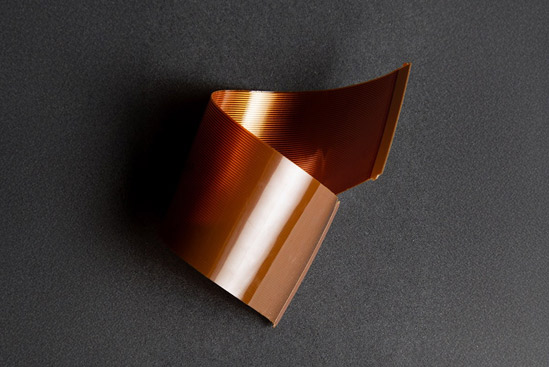
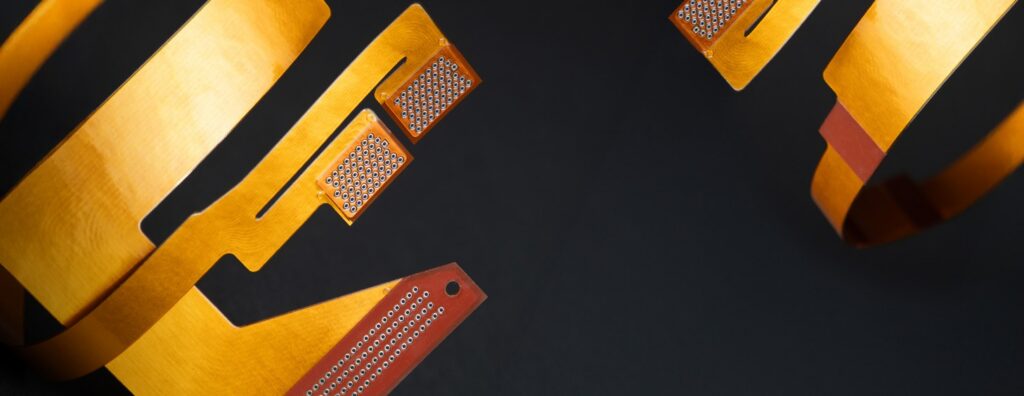
Constructed from flexible base materials, such as polyimide, this quality allows the board to withstand vibrations and bend to fit in unconventional spaces. Due to this ability to bend, fold, and twist, flex PCBs are typically utilized in wearable devices and flexible electronics.
Rigid-flex Printed Circuit Boards
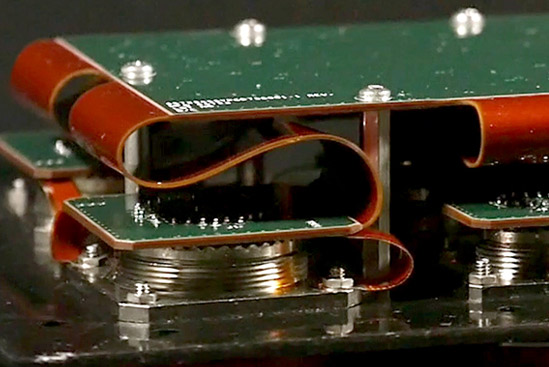
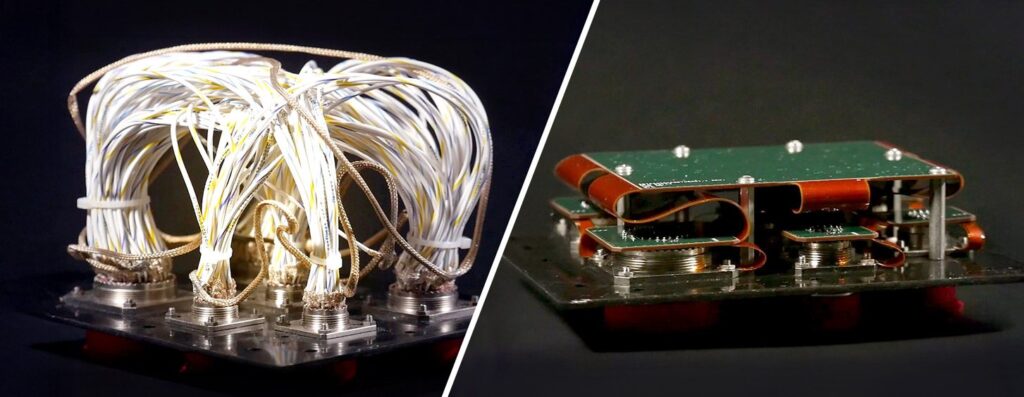
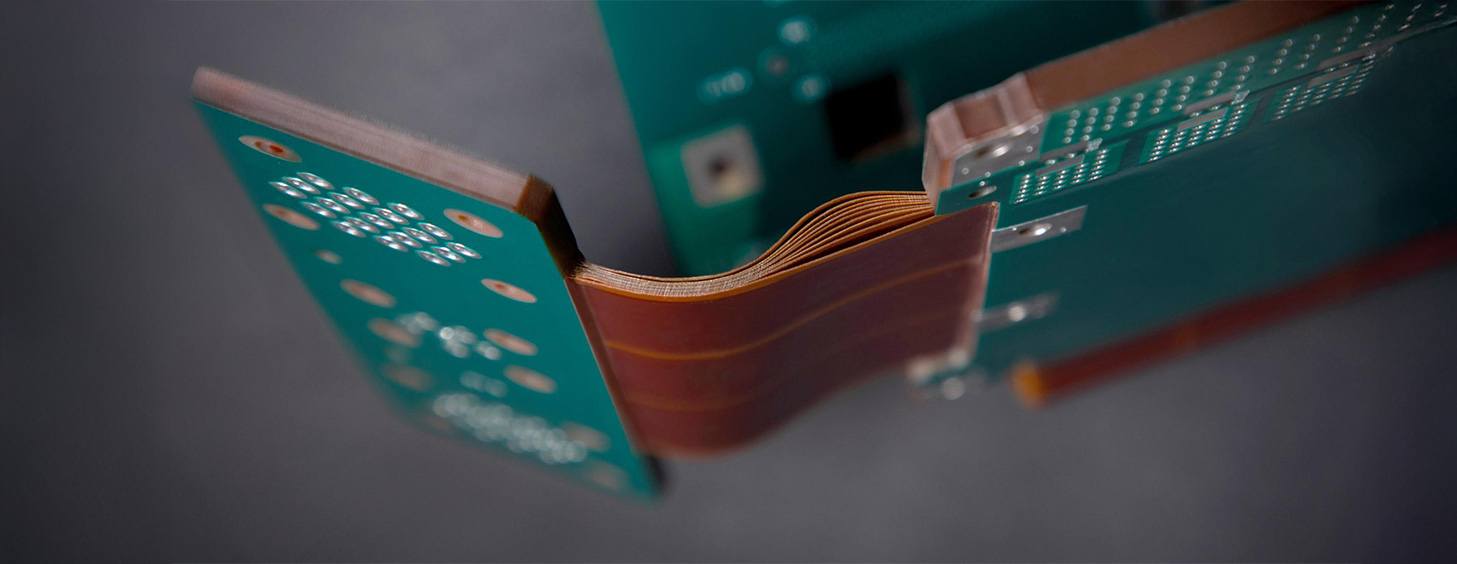
Combine both rigid and flexible sections to offer a versatile solution for complex designs. Rigid-flex PCBs can be seen in medical devices and aerospace technology due to its reliable stability and flexibility.
Partnering with Pioneer Circuits: What to Expect
There are numerous benefits to working with Pioneer Circuits. We partner with industries including aviation, defense, medical, and space exploration where reliability and consistent functionality even in intense temperatures and environments are critical. Our vertically integrated system and in-house design to assembly process ensures every board meets industry quality standards. Furthermore, our concurrent engineering services ensures minimized errors, reduced costs, and accelerated time to market. Begin your next project with confidence and partner with Pioneer Circuits to experience a new level of collaboration, quality, and reliability.
The Pioneer Circuits Advantage
Not only is it crucial to pick the right PCB type, but it is equally important to choose the right manufacturing partner. With over 40 years of experience, Pioneer Circuits offers reliable and high-performance rigid, flex, and rigid-flex PCBs that meet the demands of industries requiring consistent functionality, durable in extreme environments.
Learn more about our capabilities and request a quote today.