
Rigid-Flex 101
A Proven Approach to Complex Interconnect Challenges
Rigid-flex circuits combine the best of both rigid boards and flexible circuits, enabling reliable performance in environments where traditional solutions fall short. This guide introduces rigid-flex technology’s fundamentals, advantages, and real-world applications, especially in demanding sectors like aerospace and defense.
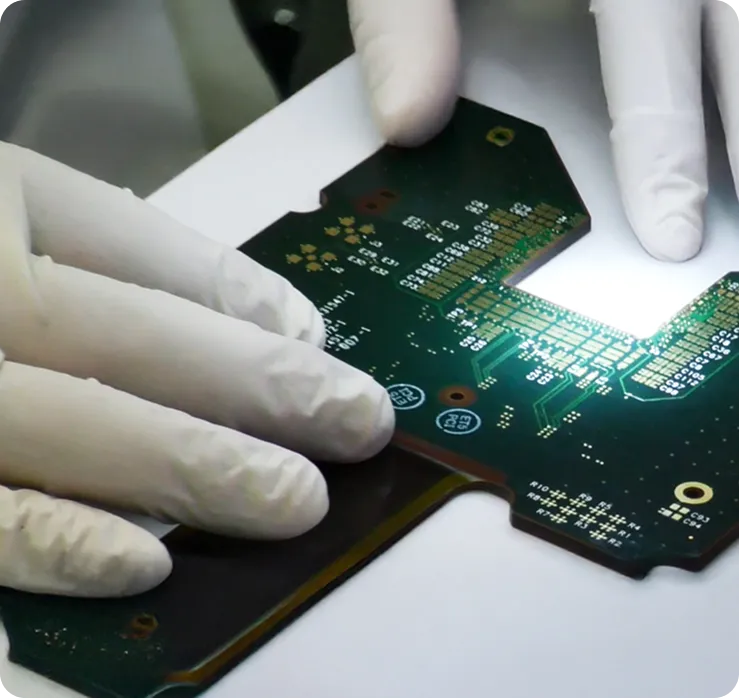
Why Rigid-Flex Technology Still Sets the Standard
Rigid-flex printed circuit boards continue to serve as a powerful answer to the design and performance requirements of advanced electronics. They offer a streamlined solution for reducing weight, saving space, and increasing durability without compromising signal integrity. Unlike traditional cabling or rigid-only designs, rigid-flex simplifies interconnects and enhances mechanical stability across moving parts.
At Pioneer Circuits, rigid-flex is not just a capability—it’s a core area of specialization. This guide breaks down the essential design guidelines, common use cases, and the manufacturing process, making it an ideal resource for engineers and procurement teams working on mission-critical systems.